
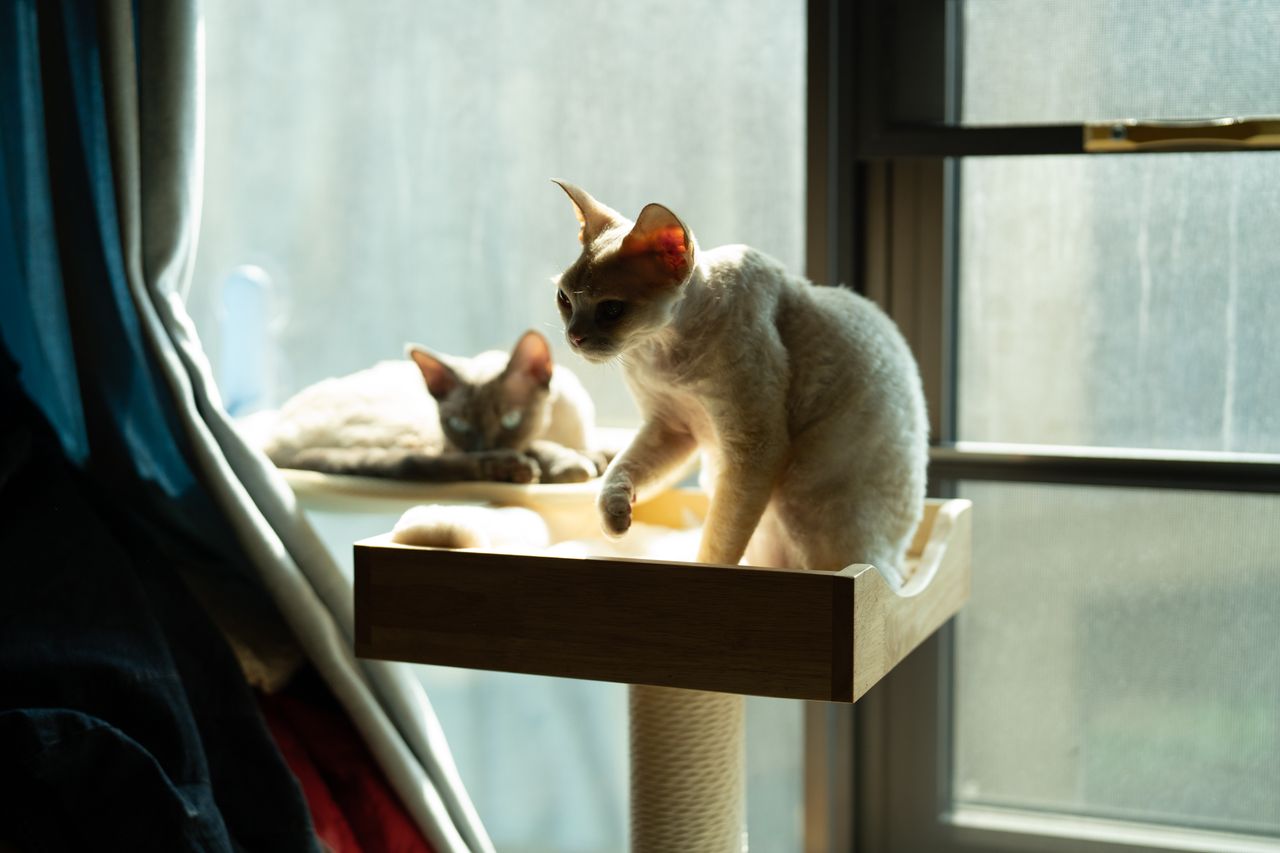
A cat tree is more than just a piece of furniture for your cat. It provides a dedicated space for climbing, scratching, playing, resting, and observing the surroundings. For indoor cats especially, a well-designed cat tree can support natural behaviors and improve their daily comfort.
With many options available in different heights, materials, designs, and features, choosing the right cat tree can be difficult. This guide explains the most important factors to consider when selecting the perfect cat tree for your cat.
1. Consider Your Cat’s Size and Weight
The first step when choosing a cat tree is considering your cat’s size, weight, and activity level.
A suitable cat tree should provide enough space for your cat to climb, stretch, jump, and rest comfortably.
Small Cats and Kittens
For kittens or smaller cats, a compact cat tree with lower platforms is usually sufficient.
Recommended features:
- Easy-to-reach levels
- Soft resting areas
- Safe climbing steps
- Stable construction
Large Cats
Large cats need stronger and more spacious designs.
Look for:
- Wider platforms
- Reinforced posts
- Strong base structures
- Larger sleeping areas
A cat tree that is too small may feel unstable and discourage your cat from using it.
2. Choose the Right Height
Cats naturally enjoy climbing because elevated spaces provide security and a better view of their environment.
The ideal cat tree height depends on your cat’s personality and available space.
Short Cat Trees
Best for:
- Kittens
- Senior cats
- Small apartments
- Limited spaces
Medium Cat Trees
A good choice for most indoor cats, offering a balance between climbing, playing, and resting.
Tall Cat Trees
Tall cat trees are ideal for:
- Active cats
- Multiple-cat households
- Cats that enjoy climbing
A taller structure allows cats to satisfy their natural climbing instincts while creating more vertical space in your home.
3. Select a Stable and Safe Design
Safety is one of the most important factors when choosing a cat tree.
A quality cat tree should have:
- A strong and stable base
- Secure connections between components
- Durable supporting posts
- Smooth edges and safe surfaces
Cats often jump onto platforms with force, so stability is essential to prevent shaking or tipping.
For households with large cats or multiple cats, choose a heavier construction with reinforced support.
4. Choose Durable and Pet-Friendly Materials
The materials used in a cat tree affect durability, safety, and appearance.
Wood Cat Trees
Wooden cat trees are becoming increasingly popular because they offer:
- Strong structural support
- Natural appearance
- Long service life
- Better integration with home interiors
Wood designs are especially suitable for modern homes where pet furniture is expected to match existing furniture styles.
Carpet and Fabric Covered Cat Trees
Fabric-covered cat trees provide soft resting surfaces and traditional scratching areas.
However, material quality is important because low-quality fabrics may wear out quickly with frequent use.
Natural Scratching Materials
Many cat trees include scratching posts made from materials such as sisal rope.
These surfaces help cats:
- Maintain healthy claws
- Mark territory naturally
- Release energy
5. Consider Your Cat’s Favorite Activities
Every cat has different habits. The best cat tree should match your cat’s personality.
For Cats That Love Climbing
Choose:
- Multi-level platforms
- Tall structures
- Climbing paths
- Observation areas
For Cats That Love Sleeping
Look for:
- Comfortable beds
- Enclosed spaces
- Hammocks
- Large resting platforms
For Cats That Love Scratching
Choose:
- Multiple scratching posts
- Durable scratching surfaces
- Different scratching angles
A cat tree with multiple functions can provide more value than a simple climbing structure.
6. Choose the Right Location in Your Home
Where you place the cat tree can affect whether your cat uses it.
Cats usually prefer locations where they can:
- Observe family activities
- Look outside windows
- Feel safe
- Rest without disturbance
Good locations include:
- Living rooms
- Near windows
- Corners with visibility
- Areas where family members spend time
Avoid placing the cat tree in isolated areas where your cat rarely visits.
7. Match the Cat Tree With Your Home Style
Modern pet owners increasingly want furniture that supports their pets while matching their interior design.
Different designs suit different homes:
Modern Minimalist Cat Trees
Features:
- Clean lines
- Simple structures
- Natural finishes
Suitable for contemporary interiors.
Wooden Cat Trees
Features:
- Warm natural texture
- Strong construction
- Furniture-like appearance
Suitable for Scandinavian, rustic, and modern homes.
Wall-Mounted Cat Furniture
Features:
- Saves floor space
- Creates vertical climbing areas
- Works well in apartments
Ideal for small living spaces.
8. Consider Multiple Cats
If you have more than one cat, choose a cat tree designed for shared use.
Important features include:
- Multiple resting areas
- Several platforms
- More than one scratching location
- Strong weight capacity
Providing enough space helps reduce competition and allows each cat to have its own comfortable area.
9. Easy Maintenance and Cleaning
A cat tree should be easy to maintain because it is used every day.
Consider:
- Removable cushions
- Easy-to-clean surfaces
- Durable finishes
- Replaceable scratching parts
A well-designed cat tree can maintain its appearance and function for years with proper care.
Frequently Asked Questions About Cat Trees
What size cat tree should I buy?
The right size depends on your cat’s weight, age, activity level, and available space. Larger cats usually need wider platforms and stronger structures.
Do indoor cats need a cat tree?
Yes. Cat trees provide indoor cats with opportunities to climb, scratch, exercise, and rest, helping create a more stimulating environment.
Are wooden cat trees better than regular cat trees?
Wooden cat trees offer excellent stability, durability, and a natural appearance. They are a good choice for owners looking for long-lasting and stylish pet furniture.
How tall should a cat tree be?
The ideal height depends on your cat and home space. Active cats usually enjoy taller designs, while kittens and senior cats may prefer shorter structures.
Where should I put a cat tree?
Place the cat tree in an area where your cat likes to spend time, such as near windows, living areas, or places with good visibility.
How long does a cat tree last?
The lifespan depends on materials, construction quality, and usage. High-quality cat trees with durable materials can last for many years.
Final Thoughts
Choosing the perfect cat tree requires considering your cat’s size, personality, activity level, and your home environment.
The best cat tree should provide a safe and comfortable space for climbing, scratching, playing, and resting while fitting naturally into your living space.
Whether you choose a wooden cat tree, a modern cat tower, or a wall-mounted cat furniture system, investing in a well-designed product can improve your cat’s quality of life and create a happier indoor environment.