
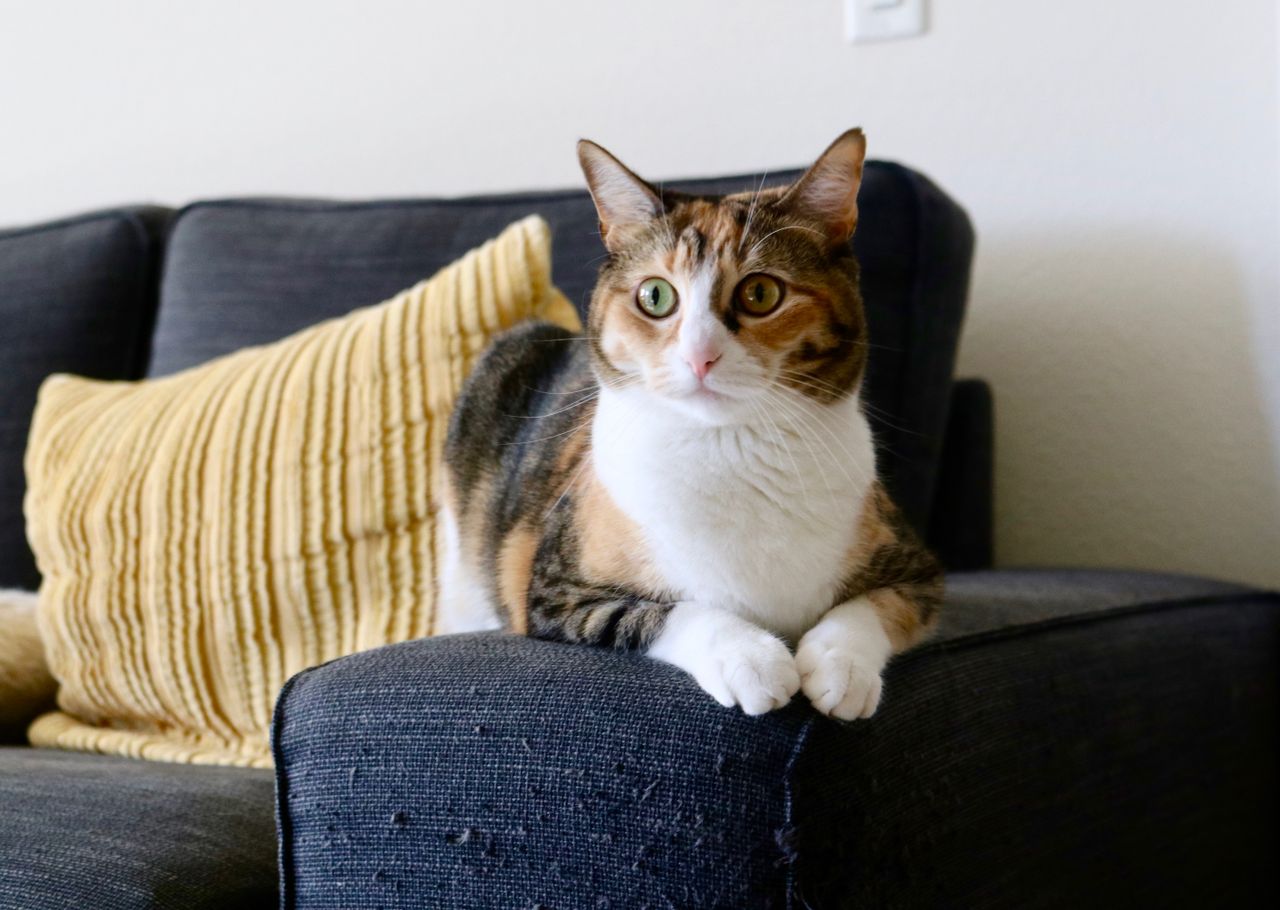
Scratching is a natural and healthy behavior for cats, but it can be frustrating when your sofa, chairs, or wooden furniture become their favorite targets. The good news is that you don’t need to stop your cat from scratching—you simply need to redirect that behavior to appropriate scratching surfaces.
In this guide, you’ll learn why cats scratch furniture, how to prevent damage, and the best ways to encourage healthy scratching habits.
Why Do Cats Scratch Furniture?
Scratching isn’t bad behavior. It’s an instinct that helps cats:
- Remove the outer layer of their claws
- Stretch muscles and tendons
- Mark territory with scent glands in their paws
- Relieve stress and release energy
- Communicate with other cats
Because scratching serves multiple purposes, punishment rarely works. Instead, providing suitable alternatives is the key to success.
1. Provide the Right Cat Scratcher
The easiest way to protect your furniture is to give your cat something better to scratch.
Popular options include:
- Vertical scratching posts
- Horizontal scratchers
- Sisal rope scratching posts
- Corrugated cardboard scratchers
- Wall-mounted scratching boards
- Multi-level cat trees with built-in scratchers
Many cats have preferences, so offering more than one type increases the chance they’ll use it.
2. Place Scratchers Where Your Cat Already Scratches
Location matters just as much as the scratching post itself.
If your cat scratches the corner of your sofa, place a scratching post right next to it.
Other ideal locations include:
- Near sleeping areas
- Close to windows
- Along favorite walking paths
- Near cat trees or wall shelves
Once your cat consistently uses the scratcher, you can gradually move it to a more suitable location if needed.
3. Make Furniture Less Appealing
Temporarily reducing the attractiveness of furniture helps your cat form new habits.
You can use:
- Double-sided pet-safe tape
- Protective furniture covers
- Scratch guards
- Aluminum foil (for short-term training)
Most cats dislike sticky or slippery textures and will naturally look elsewhere.
4. Encourage Positive Reinforcement
Whenever your cat uses the scratching post, reward the behavior immediately.
Rewards may include:
- Treats
- Praise
- Playtime
- Favorite toys
Positive reinforcement helps your cat associate the scratching post with a rewarding experience.
5. Choose the Right Cat Tree
A high-quality cat tree does more than provide climbing space—it also satisfies scratching instincts.
Look for features such as:
- Tall scratching posts
- Durable sisal rope
- Stable construction
- Multiple scratching surfaces
- Elevated resting platforms
Cats often prefer scratching after climbing or waking up, making a cat tree an excellent all-in-one solution.
6. Create Vertical Space
Many indoor cats scratch because they lack opportunities to climb and explore.
Adding vertical furniture can reduce unwanted scratching by enriching their environment.
Consider installing:
- Cat wall shelves
- Wall bridges
- Climbing steps
- Window perches
- Wall-mounted scratching boards
A cat wall playground provides both exercise and mental stimulation while redirecting natural behaviors.
7. Trim Your Cat’s Nails Regularly
Regular nail trimming minimizes damage if your cat accidentally scratches furniture.
Most cats only need their nails trimmed every two to four weeks.
If you’re unsure how to trim nails safely, consult your veterinarian or a professional groomer.
8. Increase Daily Playtime
Bored cats often scratch more frequently.
Interactive play helps reduce excess energy and stress.
Great toys include:
- Feather wands
- Puzzle toys
- Ball tracks
- Interactive laser toys (used responsibly)
- Cat tunnels
Aim for at least 15–20 minutes of active play each day.
9. Never Punish Your Cat
Yelling, spraying water, or physically correcting your cat is unlikely to stop scratching.
Punishment can:
- Increase stress
- Damage trust
- Create fear
- Lead to other unwanted behaviors
Instead, calmly redirect your cat to an appropriate scratching surface and reward good behavior.
Common Mistakes to Avoid
Avoid these common errors:
❌ Buying a scratching post that’s too short
❌ Providing only one scratching option
❌ Hiding the scratching post in an unused room
❌ Replacing furniture protection too early
❌ Expecting instant results
Consistency is essential. Most cats need time to develop new habits.
Frequently Asked Questions
Why does my cat scratch the couch instead of the scratching post?
The scratching post may be too short, unstable, or located in the wrong place. Try placing a sturdy scratcher directly beside the couch.
Do all cats prefer vertical scratchers?
No. Some cats prefer vertical posts, while others enjoy horizontal or angled scratchers. Offering different styles helps identify your cat’s preference.
How many scratching posts does one cat need?
A good rule is at least one scratching surface in each main living area, especially where your cat spends the most time.
Can cat wall furniture reduce furniture scratching?
Yes. Cat wall shelves and climbing systems provide exercise, territory, and enrichment, which can reduce destructive scratching behaviors.
What material is best for cat scratchers?
Sisal rope and natural sisal fabric are among the most durable and widely preferred materials. Corrugated cardboard is also popular with many cats.
Final Thoughts
Scratching is an essential part of a cat’s physical and emotional well-being, so the goal isn’t to stop the behavior—it’s to redirect it. By providing appropriate scratching posts, enriching your cat’s environment with cat trees and wall shelves, rewarding positive behavior, and protecting your furniture during the training process, you can create a home that’s comfortable for both you and your cat.
With patience and consistency, most cats quickly learn that their own scratching furniture is much more satisfying than your sofa.